
Blog | Choosing the Right Neighborhood to Plant

Choosing the Right Neighborhood to Plant
Where you plant shapes almost everything about the church that emerges. The neighborhood determines who your neighbors are, what needs exist around you, what your gatherings will look like, who you’ll reach, and what challenges you’ll face. It’s one of the highest-leverage decisions a church planter makes, and it’s frequently made on intuition alone.
Intuition matters. So does prayer, and so does calling. But good discernment usually combines spiritual conviction with real information about the place. Here’s how to think through both.
Start with Calling, Then Test It
Most planters begin with some sense of calling to a place. Sometimes a city, sometimes a specific neighborhood, sometimes just a type of community. That’s the right starting point, and it shouldn’t be replaced by a spreadsheet.
But calling benefits from testing. A conviction that survives honest examination is stronger than one that was never examined. Ask yourself: why this place? Is my sense of calling connected to the actual needs and people of this community, or primarily to my own preferences and comfort? Would I still feel called here if the work were harder than I expect?
Bring people into this discernment. Your spouse, if you’re married. Mentors. Pastors who know the area. People who already live in the neighborhood. A calling that’s been tested in community and still holds is a much more durable foundation than one held privately.
What the Data Can Actually Tell You
Demographic information won’t tell you where God is calling you, but it will tell you a great deal about the place you’re considering.
Useful data to gather: population density and growth trends, age distribution, household composition (families with children, single adults, empty nesters), median income and economic diversity, racial and ethnic composition, languages spoken at home, education levels, housing patterns (ownership vs. rental, stability vs. transience), and religious affiliation and church attendance rates.
Most of this is publicly available. Census data, city planning documents, school district reports, and local economic development materials are all free. Several denominational networks and church planting organizations provide demographic reports for prospective planters as well, often at no cost.
What this data does is prevent you from building a ministry model that doesn’t fit the actual community. If you’re planning a church built around young families in a neighborhood that’s 70% single adults and empty nesters, the data will save you from that mismatch before you’ve signed a lease.
Read the Existing Church Landscape
Understanding what churches already exist in a community is essential both to avoid unnecessary duplication and to identify genuine gaps.
Map the churches within a few miles. Note their size, denomination or tradition, apparent vitality, and who they seem to be reaching. Visit some of them. Talk to their pastors if you can.
The question is not ‘is there room for another church?’ The answer is almost always yes. The better questions are: who in this community is not being reached by the churches that exist here? What kind of church would serve them? And is that the church I’m equipped and called to plant?
A neighborhood with twelve thriving churches that all reach the same demographic may have enormous unreached populations. A neighborhood with two churches may be adequately served if those churches are healthy and engaged. The count matters less than the coverage.
Walk the Neighborhood
No amount of data substitutes for physical presence. Before committing to a place, spend real time in it.
Walk it at different times of day and different days of the week. Where do people gather? What’s open at 7am? What’s happening on a Friday night? Where do parents take their kids?
Eat where locals eat. Shop where locals shop. Sit in a coffee shop for two hours and listen.
Talk to people who are invested in the community — school principals, nonprofit directors, small business owners, long-time residents, city council members. Ask them what the community needs, what’s changing, what’s been tried before. People who love a place will tell you a great deal if you ask with genuine curiosity rather than an agenda.
This kind of presence tells you things no report will: the texture of the place, the informal social geography, whether people seem connected or isolated, what the actual rhythms of life are.
Consider the Practical Realities
Some factors are unglamorous but decisive.
Available meeting space. Does the neighborhood have facilities you could rent affordably and sustainably? Schools, community centers, theaters, storefronts? A calling to a neighborhood with no viable gathering space creates a real problem.
Cost of living. Can you and any future staff actually afford to live in the community you’re serving? Planters who commute in from elsewhere face genuine limitations in building neighborhood relationships.
Accessibility. Is the area reachable by public transit? Is parking available? These practical questions shape who can actually attend.
Hold the Decision with Conviction and Humility
At some point, the information runs out and you decide. You will not have complete certainty, and waiting for it will keep you from ever planting.
What you can have is conviction that’s been tested. A sense of calling that has survived honest examination, real information about the place, input from people who know you and know the community, and prayer that has been sustained rather than rushed.
Hold the decision with conviction, because a planter who is visibly uncertain about why they’re here struggles to lead. But hold it with humility too. You will learn things about this neighborhood in year three that you couldn’t have known in year zero, and some of them will change how you do ministry. That’s not failure. That’s what it looks like to actually pay attention to the people you’ve been sent to.
About the Author
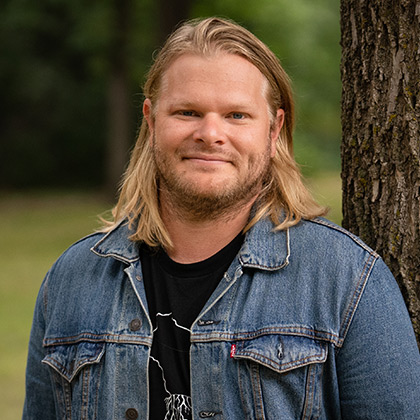
Josh Tarp is a multi-instrumentalist, singer-songwriter, and worship leader from Minneapolis with over 15 years of experience in church & worship leadership. Josh serves as the Director of Marketing at Motion Worship, helping to write various blog posts, managing social media, designing graphics, and handling customer service.